
James exposes the terrible destruction caused by the untamable human tongue. But he also offers a solution. For a concise exposition of this Sunday’s lesson from James 3:1-12, check out the podcast below. Maybe you will discover James’ (and the Bible’s) answer to this problem?
Author: garethcockerill
Check Out the Second Podcast in the series “An Issue for Our Time: the Bible and Same-Sex Practice.”
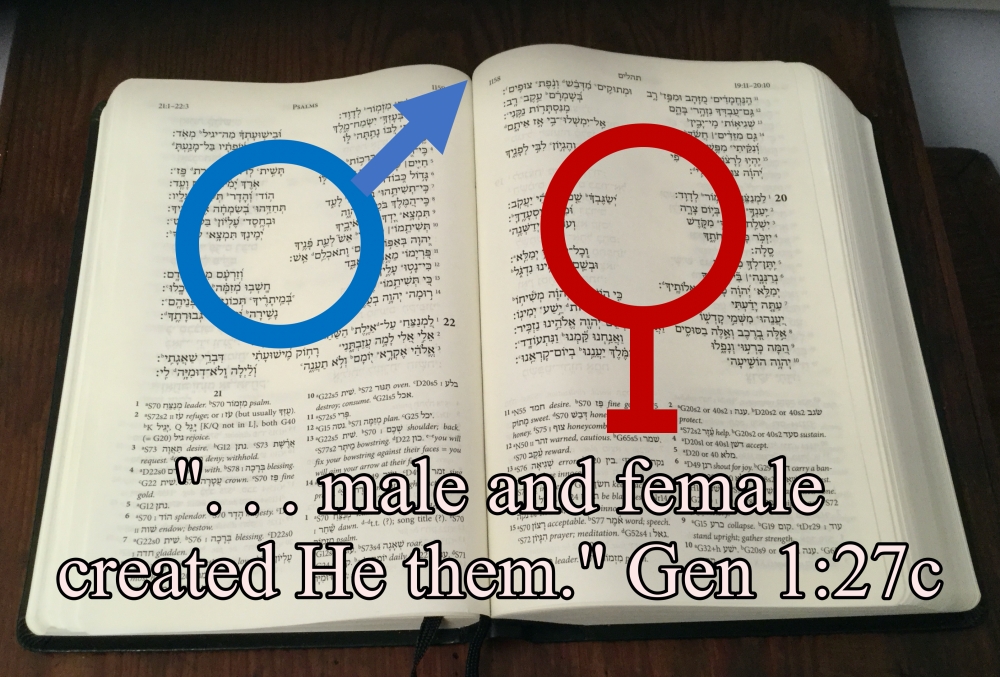
The first podcast in this series was entitled, “An Issue for Our Time.” This second podcast is entitled “A Wrong Path and a Tragic Destination.” It exposes the major ways in which supporters of same-sex practice often misinterpret scripture. This “wrong path” of interpretation leads to a false and “tragic destination.” These podcasts are located on the page entitled “An Issue for Our Time: the Bible and Same-Sex Practice. A Series of Podcasts” under the main menu. You can access them by clicking here.
Faith that Works! Sunday School, Aug 16, 2020. James 2:14-26
What does James mean when he says that faith without deeds is as dead and useless as a corpse? What kind of “deeds” is he talking about? Click below for an audio exposition of James 2:14-26 that answers these questions.
Check Out this Series of Podcasts entitled, “An Issue for Our Time: Same-Sex Practice and the Bible.”
Click on the page above entitled “AN ISSUE FOR OUR TIME: Same-Sex Practice and the Bible” for the first in this new series of podcasts. Or, if you are using a mobile device, click here.
Listening, Speaking, and the Religion that God Our Father Accepts. Sunday School, Aug 9, 2020. James 1:19-27.
Today we have the second of five lessons from the book of James. In todays lesson James tells us to listen, not only to one another, but to the Word of God. Listening to God’ word, however, will be useless unless we obey. Listening with obedience is the foundation of “the religion that God our Father accepts.” Such religion expresses itself in love for neighbor, especially concern for the needed, and by keeping ourselves untainted by the lust and greed of the world. False religion is characterized by anger and an “unbridled” tongue. For a brief exposition of this passage, James 1:19-27, click below:
Things of Time and Things of Eternity. Sunday School, Aug 2, 2020. James 1:1-12.
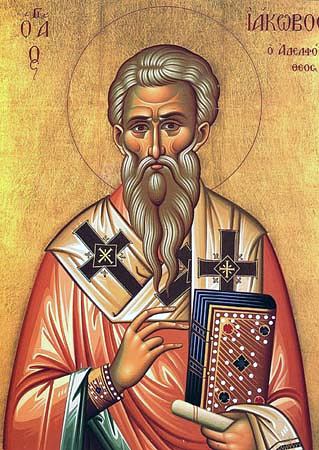
Icon of James the Just, Brother of Jesus.
This Sunday we begin a series of five lessons from the book of James. In today’s lesson James urges us to a single-minded pursuit of the Wisdom that comes from God so that we can joyfully persevere amid trials. God uses those trials to produce the type of person who will love Him and receive the “Crown of Life.” James warns us against the distraction of riches that would lure us from this single-minded pursuit. He urges us to pass through the things of time so that we will gain the things of eternity!
For a brief exposition of this passage click below:
Don’t Worry! “I am the Way, the Truth, and the Life. Sunday school, July 26, 2020 from John 14:1-14.
As a small boy I went with my grandfather to visit his aged mother, my great grandmother. She was probably around ninety. Indeed, she looked very old to me, lying there in the bed with big, thick cataract glasses. Every time Grandfather went to see her, he asked her what scripture she wanted him to read. The answer was always the same. John 14. She wanted to hear these words of assurance from Jesus. For an explanation and application of John 14:1-14, today’s Sunday school lesson, click below:
Faith–False and True. July 19, 2020 Sunday School. Mark 6:1-6

Mark 3:13 through 6:6, the section of Mark’s Gospel that began with Jesus choosing the twelve disciples, concludes in today’s passage, Mark 6:1-6, with Jesus and the disciples coming to His hometown. Jesus teaches in His hometown synagogue. Those who should have believed in Jesus–the Teachers of the Law, His family, and the people of His hometown, reject Him. They don’t want to acknowledge His authority or endure the embarrassment of following Him. The hometown folk think they are as good as He is. And yet the disciples have seen His power over creation, evil spirits, and even death itself. The woman healed of minstral flow exhibits true faith and becomes His “daughter” and disciple.
For an brief exposition of this lesson click here:
Jesus the “Young Messiah”: “In My Father’s House, About My Father’s Business.” July 12, 2020. Sunday School. Luke 2:39-52.
Up until now, Jesus has been a baby. It is only in the closing verses of Luke chapter two that we see Him face to face and hear Him speak–as a twelve-year old in the Temple. Yet His entire ministry is anticipated by this incident. If you would like too see an interesting video clip from The Young Messiah of a Rabbi questioning Jesus, click here.
Then click below for an explanation of Luke 2:39-52, the boy Jesus in the Temple.
When Following Jesus Doesn’t Look Like We Think It Should. July 5, 2020 Sunday Schoo. Matthew 11:2-19.
As we have learned in the last few lessons from Proverbs, living according to Wisdom produces a wholesome life. And yet, the unexpected happens. Sickness, tragedy, persecution by the unbelieving world. How do we react when following Jesus doesn’t look like we think it should? Jesus addresses that question in today’s lesson from Matthew 11:2-19. Click below for an audio exposition of this passage.
 From Mangoes to Melchizedek